Center Pivot Systems for Sale in Morton, TX: Reinke Options for Cochran County and the Southern High Plains
For farmers around Morton, TX, irrigation equipment is a major investment in crop production, water management, and long-term farm operations. The Southern High Plains brings hot summers, persistent winds, variable rainfall, and ongoing concerns about groundwater availability. Choosing the right center pivot irrigation system can help growers apply available water more effectively while managing labor and equipment demands.
If you are exploring center pivot systems for sale in Morton, understanding Reinke irrigation options, field requirements, and long-term service considerations is a practical place to start.
Quick Answer: Reinke center pivot irrigation systems offer Cochran County growers options for automated water application, field-specific configurations, and irrigation management. When comparing systems, farmers should evaluate field dimensions, available well capacity, operating pressure, soil conditions, and equipment features. A properly designed system should match the farm’s water supply and production goals rather than relying on equipment size or price alone.
What Local Farmers Should Know
-
Water availability matters: Irrigation systems in Cochran County must be designed around actual well output and the amount of water available for crop production.
-
Field layout influences equipment selection: Quarter-section fields, irregular boundaries, and existing irrigation infrastructure can affect pivot configuration.
-
Wind conditions deserve attention: Southern High Plains winds can influence sprinkler performance, application uniformity, and irrigation scheduling.
-
Reinke systems offer multiple configurations: Center pivot designs, control options, and sprinkler packages can be evaluated according to individual field requirements.
-
Long-term support matters: Parts availability, maintenance planning, and timely repairs should be considered alongside the initial purchase.
Why Center Pivot Irrigation Matters in Morton, TX
Center pivot irrigation matters in Morton because local growers must manage crop water needs under demanding Southern High Plains conditions. High summer temperatures, periods of limited rainfall, and reliance on groundwater make dependable water application especially valuable for agricultural operations throughout Cochran County.
The area surrounding Morton includes extensive agricultural land where irrigation decisions can affect planting strategies, crop development, labor requirements, and operating expenses.
Across the Southern High Plains, groundwater from the Ogallala Aquifer supports many irrigated farming operations. However, individual wells can vary significantly in production capacity. A system suitable for one field may not be appropriate for another, even when the acreage is similar.
At B&M Pump Irrigation Sales & Service, Inc., we understand that irrigation equipment decisions begin with the needs of the field and the available water supply. We encourage growers to evaluate equipment configurations, water delivery requirements, and future maintenance needs before investing in a new system.
Local Irrigation Conditions and Field Observations
Local irrigation conditions in Cochran County make water availability, wind exposure, and equipment reliability important considerations when selecting a center pivot system. These factors influence sprinkler selection, operating pressure, irrigation timing, and the ability to deliver water across a field consistently.
The Texas Water Development Board and the High Plains Underground Water Conservation District No. 1 provide regional groundwater information that can help growers understand broader water management concerns. Actual well capacity and groundwater conditions must still be evaluated at the individual farm level.
Several regional characteristics deserve attention:
-
Hot growing seasons: High temperatures increase crop water demand and can contribute to evaporation losses.
-
Wind exposure: Open agricultural fields are vulnerable to wind drift during sprinkler operation.
-
Variable soil conditions: Differences in infiltration rates and water-holding capacity can affect application strategies.
-
Groundwater limitations: Well output may restrict the system flow rate or irrigated acreage.
-
Seasonal equipment demands: Irrigation breakdowns during critical crop growth periods can disrupt planned water applications.
These are regional operating considerations, not measurements from a particular farm. A field-specific evaluation is necessary before selecting equipment.
How Reinke Center Pivot Systems Can Benefit Cochran County Farms
Reinke center pivot systems can benefit Cochran County farms by providing mechanized irrigation with configurable spans, sprinkler packages, and control technology. Their value depends on matching the equipment to field geometry, available water, crop requirements, and the farm’s preferred level of automation.
Efficient Water Application
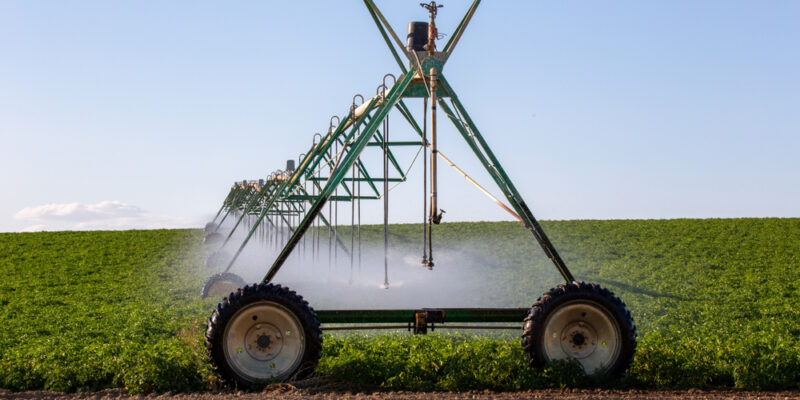
A center pivot distributes irrigation water as the equipment travels around a fixed point. Sprinkler spacing, nozzle selection, operating pressure, and system speed influence application performance.
For growers near Morton, properly selected sprinkler packages can help manage water distribution under local operating conditions.
Reduced Manual Irrigation Labor
Automated center pivot operation can reduce the amount of manual labor required to move irrigation equipment compared with certain alternative irrigation methods.
Growers must still monitor operating conditions, inspect equipment, and maintain pumps and controls.
Flexible System Configuration
Reinke offers center pivot equipment and irrigation technology that can be configured for different agricultural applications.
Depending on the selected model and available options, growers may consider different span arrangements, drive components, sprinkler packages, and monitoring capabilities.
Warning Signs Your Existing Center Pivot May Need Attention
An existing center pivot may need repair, modification, or replacement when it no longer applies water consistently or operates reliably. Farmers around Morton should pay attention to mechanical problems, uneven crop development, unexpected shutdowns, and changes in irrigation performance.
Watch for these warning signs:
-
Uneven crop growth: Repeated dry or overly wet areas may indicate sprinkler distribution problems.
-
Frequent system shutdowns: Electrical, alignment, or drive issues may interrupt irrigation.
-
Visible leaks: Damaged connections, pipes, or sprinkler components can waste water.
-
Excessive wheel rutting: Poor traction, drainage issues, or repeated travel over wet soil may create problems.
-
Inconsistent pressure: Pressure fluctuations can affect sprinkler operation and application uniformity.
-
Corrosion or structural damage: Deteriorating components may require professional evaluation.
-
Increasing repair frequency: Repeated failures may make replacement worth comparing with continued repairs.
A single warning sign does not automatically mean the entire system needs replacement. Identifying the cause is the first step.
When to Call an Irrigation Professional
An irrigation professional should evaluate a center pivot when problems involve electrical systems, structural components, persistent pressure loss, drive equipment, or repeated shutdowns. These issues can affect equipment safety, irrigation coverage, and the ability to meet crop water requirements.
Farmers can safely monitor visible leaks from a distance, review operating records, and observe crop patterns. However, electrical repairs, structural work, and adjustments near energized or moving equipment require qualified personnel and appropriate shutdown procedures.
For Morton-area growers planning a new Reinke system, professional input is also valuable before purchase. Equipment dimensions, pump performance, well capacity, and field requirements should be reviewed together.
Common Causes of Center Pivot Problems in the Southern High Plains
Common center pivot problems in the Southern High Plains involve mechanical wear, sprinkler deterioration, electrical faults, pressure limitations, and environmental exposure. The combination of wind, dust, heat, and seasonal irrigation demands can make preventive maintenance particularly valuable for farms near Morton.
1. Worn Drive Components
Wheel gearboxes, motors, tires, and related drive components experience wear through regular operation. Problems may become more noticeable when equipment operates for extended periods during the growing season.
2. Sprinkler and Nozzle Problems
Clogged, damaged, or incorrectly sized sprinkler components can affect water distribution. Water quality, sediment, and component age may contribute to performance issues.
3. Electrical and Control Issues
Electrical connections, control components, and safety circuits may experience faults. Dust, moisture exposure, aging components, and damaged wiring can contribute to interruptions.
4. Inadequate Water Pressure
Changes in well output, pump performance, pipeline restrictions, or system demand can result in insufficient pressure.
5. Field and Soil Conditions
Wheel tracks, uneven ground, and soil saturation can interfere with pivot movement. These issues should be considered when evaluating equipment performance and field suitability.
Preventive Maintenance for Reinke Center Pivot Systems
Preventive maintenance for Reinke center pivot systems should include seasonal inspections, sprinkler checks, drive component evaluations, and operating performance reviews. In Cochran County, preparing equipment before periods of high crop water demand can help reduce avoidable interruptions.
A practical maintenance schedule includes:
Before irrigation season:
-
Inspect accessible sprinkler components for visible damage.
-
Review tire condition and wheel tracks.
-
Check for leaks and damaged piping.
-
Arrange professional inspection of electrical and drive components when needed.
-
Confirm that the pump and irrigation system operate within intended parameters.
During irrigation season:
-
Monitor operating pressure and system performance.
-
Watch for irregular water application.
-
Keep records of shutdowns and recurring problems.
-
Inspect for leaks and abnormal movement from a safe distance.
After irrigation season:
-
Follow manufacturer recommendations for shutdown and winterization.
-
Address known equipment problems before the next growing season.
-
Review repair history and potential equipment upgrades.
Always follow the manufacturer’s maintenance and safety instructions.
What to Expect From a New Reinke Center Pivot System
A new Reinke center pivot system should be selected to deliver water according to the field’s irrigation design, available flow, and operating requirements. Growers should expect a planning process that addresses equipment configuration, water delivery, controls, installation considerations, and ongoing maintenance.
A typical evaluation may involve field measurements, water supply information, sprinkler package selection, and equipment configuration.
The final results depend on proper design, installation, operation, maintenance, and local conditions. A new pivot cannot increase the sustainable output of a limited well or eliminate crop water requirements.
Common Mistakes When Shopping for Center Pivot Systems
Common mistakes when shopping for center pivot systems include selecting equipment based only on price, overlooking water supply limitations, and failing to plan for maintenance. These decisions can create performance or operating problems for farms in Morton and surrounding agricultural communities.
Mistake: Choosing equipment before confirming well capacity.
Consequence: The irrigation system may require more flow than the well can reliably provide.
Better approach: Evaluate actual well output and pump performance before finalizing equipment specifications.
Mistake: Ignoring sprinkler package design.
Consequence: Water application may not match field conditions or operating pressure.
Better approach: Select sprinklers based on the complete irrigation design.
Mistake: Comparing purchase prices alone.
Consequence: Maintenance, energy use, and long-term operating expenses may be overlooked.
Better approach: Compare total ownership considerations.
Mistake: Waiting until irrigation season to address known problems.
Consequence: Repairs may interrupt irrigation when crops need water.
Better approach: Schedule inspections and maintenance before peak demand.
Common Local Scenario: Replacing an Aging Pivot in Cochran County
A common local scenario involves a Cochran County grower operating an older center pivot that requires increasingly frequent repairs. The equipment still runs, but recurring shutdowns and sprinkler problems make irrigation scheduling less predictable.
The grower may consider replacing the existing system with a Reinke center pivot while continuing to use the current well and pumping infrastructure.
Before choosing equipment, the grower should confirm the water supply, review the condition of the pump, evaluate field dimensions, and compare repair costs with replacement expenses.
This is an illustrative scenario, not a documented customer project. It demonstrates why equipment selection should consider the entire irrigation operation rather than the pivot alone.
Related Irrigation Equipment and Service Solutions
Related irrigation solutions for Morton-area farms include center pivot equipment, pumping system evaluations, sprinkler components, controls, and maintenance planning. The right combination depends on the field’s current infrastructure, available water, and operating goals.
When discussing Reinke options, we can help growers identify the questions that should be answered before equipment selection. Those questions include field coverage, water delivery, equipment compatibility, and ongoing service requirements.
Comparing Reinke Center Pivot Options
Comparing Reinke center pivot options requires looking at system configuration, field coverage, control features, sprinkler design, and total ownership costs. A suitable choice for a conventional agricultural field may differ from the equipment needed for irregular acreage or a lower-capacity water supply.
| Option | Potential advantage | Key consideration |
|---|---|---|
| Standard center pivot configuration | Mechanized irrigation for suitable field layouts | Field dimensions and available flow |
| Pivot with advanced control options | Additional monitoring and operating capabilities | Connectivity, compatibility, and feature availability |
| Pivot with field-specific sprinkler package | Water application tailored to design requirements | Pressure, flow, soil, and crop needs |
| Repair or upgrade of existing pivot | May extend useful equipment life | Structural condition and recurring repair costs |
| Complete pivot replacement | Opportunity to update aging equipment | Initial investment and infrastructure compatibility |
Reinke model availability, specifications, and optional features should be confirmed during equipment selection.
Center Pivot Irrigation Service Areas Around Morton
Center pivot irrigation needs extend beyond Morton into agricultural areas throughout Cochran County and the surrounding Southern High Plains. Growers near Whiteface, Bledsoe, Lehman, and neighboring farming communities face many of the same water management and equipment reliability considerations.
Regional agricultural operations toward Levelland and Littlefield may also encounter similar irrigation planning challenges. Specific equipment availability and service coverage should be confirmed directly with our team.
The Cost of Delaying Center Pivot Repairs or Replacement
Delaying necessary center pivot repairs or replacement can increase the risk of irrigation downtime, uneven water application, and additional equipment damage. For Cochran County growers, these problems can be particularly disruptive during hot, dry periods when crops require consistent irrigation.
The financial impact depends on the crop, timing, water availability, equipment condition, and length of the interruption.
A minor sprinkler problem may be relatively straightforward to address. Structural deterioration or recurring drive failures may require a broader repair-versus-replacement evaluation.
Planning ahead gives growers more time to compare available options without making equipment decisions during an urgent breakdown.
Frequently Asked Questions About Center Pivot Systems in Morton, TX
1. Where can I find center pivot systems for sale in Morton, TX?
Farmers looking for center pivot systems for sale in Morton can contact B&M Pump Irrigation Sales & Service, Inc. to discuss their irrigation equipment needs and Reinke options. Before purchasing, growers should confirm current product availability, field requirements, well capacity, and the equipment configuration appropriate for their operation.
2. Are Reinke center pivot systems suitable for Cochran County farms?
Reinke center pivot systems can be suitable for Cochran County farms when the selected equipment matches field dimensions, water availability, and crop requirements. Suitability depends on the individual operation. Growers should evaluate their pumping infrastructure, operating pressure, soil conditions, and desired features before choosing a system.
3. How much does a new center pivot system cost in Morton?
The cost of a new center pivot system in Morton depends on system length, span configuration, control technology, sprinkler package, installation requirements, and other equipment specifications. Site preparation and pumping infrastructure can also affect the overall investment. A field-specific quote is the most reliable way to compare actual costs.
4. Can a Reinke center pivot operate with a lower-capacity irrigation well?
A Reinke center pivot may be configured for a lower-capacity well when the system’s flow requirements and sprinkler package are properly matched to the available water supply. However, reduced flow can limit application capacity. Cochran County growers should evaluate crop water requirements and actual well performance before selecting equipment.
5. How do Southern High Plains winds affect center pivot irrigation?
Southern High Plains winds can increase sprinkler drift and affect where irrigation water reaches the soil. The impact depends on wind speed, sprinkler type, operating pressure, and nozzle placement. Growers can evaluate appropriate sprinkler configurations and irrigation timing to help manage these conditions without assuming wind-related losses can be eliminated.
6. Should I repair or replace an older center pivot near Morton?
Repairing an older center pivot may be reasonable when its structure remains sound and problems involve serviceable components. Replacement becomes worth considering when repair frequency, equipment condition, or performance limitations create ongoing concerns. Comparing projected repair expenses with replacement costs can help Morton-area growers make a practical decision.
7. What should Cochran County farmers check before buying a center pivot?
Cochran County farmers should check well capacity, pump performance, field dimensions, electrical requirements, soil conditions, and existing irrigation infrastructure before buying a center pivot. They should also review sprinkler design, control preferences, equipment compatibility, and maintenance needs. These details help determine whether a proposed configuration fits the farm.
8. When is the best time to purchase a center pivot system in the Southern High Plains?
The best time to begin planning a center pivot purchase is before the equipment is urgently needed for irrigation. Early planning allows Southern High Plains growers to evaluate field requirements, compare configurations, review installation considerations, and confirm availability. Lead times and installation schedules should be verified rather than assumed.
Plan Your Next Center Pivot Investment With Confidence
Choosing a center pivot system for a Morton-area farm requires more than comparing equipment specifications. Water availability, field layout, crop requirements, and long-term maintenance all influence which Reinke irrigation configuration may be appropriate.
At B&M Pump Irrigation Sales & Service, Inc., we welcome conversations with local growers who are evaluating irrigation equipment and planning for their farms’ future needs.
Find the Right Reinke Center Pivot Option for Your Morton Farm
Whether you are planning a new irrigation installation, considering an upgrade, or comparing replacement options, we can discuss your equipment needs and help you identify the next steps.
Categorised in: Center Pivot Irrigation